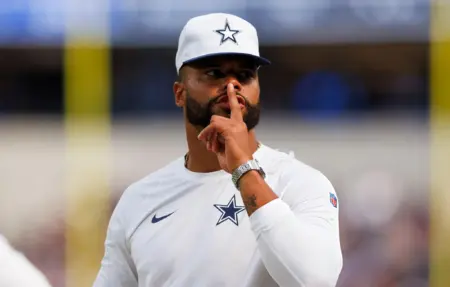



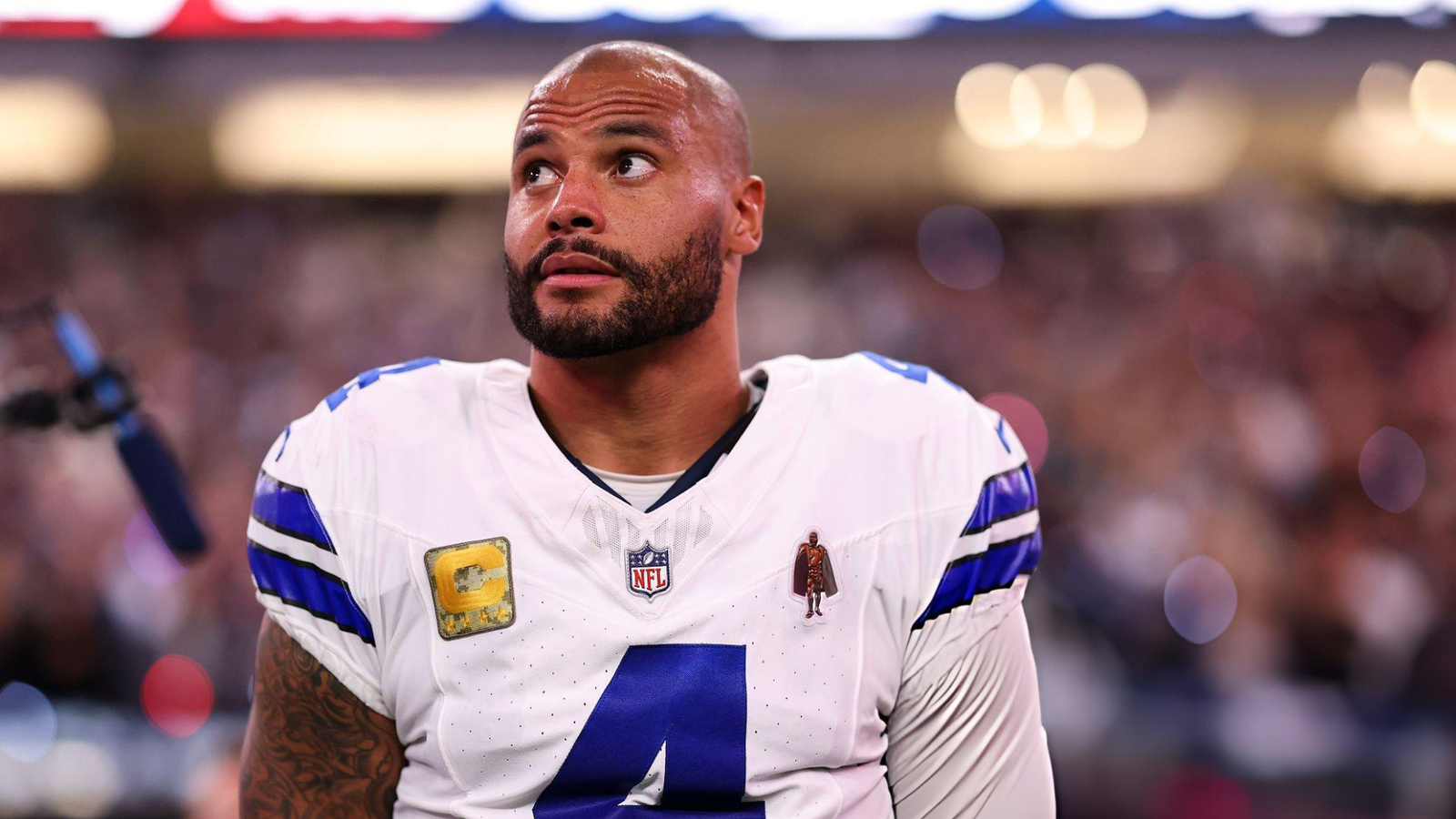
Dak Prescott has produced plenty of memorable late-game drives throughout his career, but one statistic from the 2025 season places the Dallas Cowboys quarterback in uncomfortable company.
When the Cowboys entered the fourth quarter trailing last season, Dallas finished with just a 1-8 record, giving Prescott a .111 winning percentage in those situations. Among established starting quarterbacks, only Cam Ward posted a worse record at 1-13, while Jared Goff matched Prescott’s 1-8 mark.
The contrast becomes even sharper when compared with some of the NFL’s top quarterbacks. Josh Allen went 3-5 when trailing entering the fourth quarter, Jordan Love finished 2-3, Lamar Jackson was 1-4, Patrick Mahomes was 1-6, and Caleb Williams led Chicago to a respectable 4-5 record. Bo Nix topped the league by going 4-1 in those situations.
W-L record when a QB was trailing entering the 4th quarter last year:
0.800 – Bo Nix (4-1)
<huge gap>
0.500 – Daniel Jones (3-3)
0.444 – Caleb Williams (4-5)
0.417 – Jordan Love (2-3)
0.375 – Josh Allen (3-5)
0.333 – Tyler Shough (2-4)
0.300 – Bryce Young (3-7)
0.200 – Aaron…— Warren Sharp (@SharpFootball) August 4, 2026 What's New

Within the NFC, the numbers are equally concerning for Dallas. Prescott’s .111 winning percentage ranked behind Williams (.444), Love (.417), Goff (.111 tied), and well behind Nix’s league-leading .800 mark. For a Cowboys team with Super Bowl aspirations, consistently falling short in late-game comeback situations is a trend that cannot be ignored.
While the team record is never solely a quarterback statistic, the numbers underscore how difficult it was for Dallas to erase fourth-quarter deficits during the 2025 campaign. That reality will be one of the biggest storylines to watch as the Cowboys begin a new era under head coach Brian Schottenheimer.
Meanwhile, another statistic shows how sharp Prescott is at bouncing back in the 2nd half of the game to clinch a victory.
source on Google Go here and check the box
next to Cowboys.news
Advanced metrics tell a different story about Prescott’s performance
Despite the disappointing 1-8 record, advanced analytics paint a much more encouraging picture of Prescott’s individual play when the Cowboys fall behind.
According to Warren Sharp of Sharp Football Analysis, Prescott ranked 10th in the NFL in Expected Points Added (EPA) per dropback while trailing in the second half during the 2025 season, posting a +0.16 EPA per dropback.
That metric measures how efficiently a quarterback creates offensive value on passing plays rather than whether the team ultimately wins the game. A positive EPA indicates the offense consistently increased its expected points whenever Prescott dropped back to pass.
In other words, Prescott often did his part to keep Dallas competitive even if the Cowboys were unable to complete the comeback.
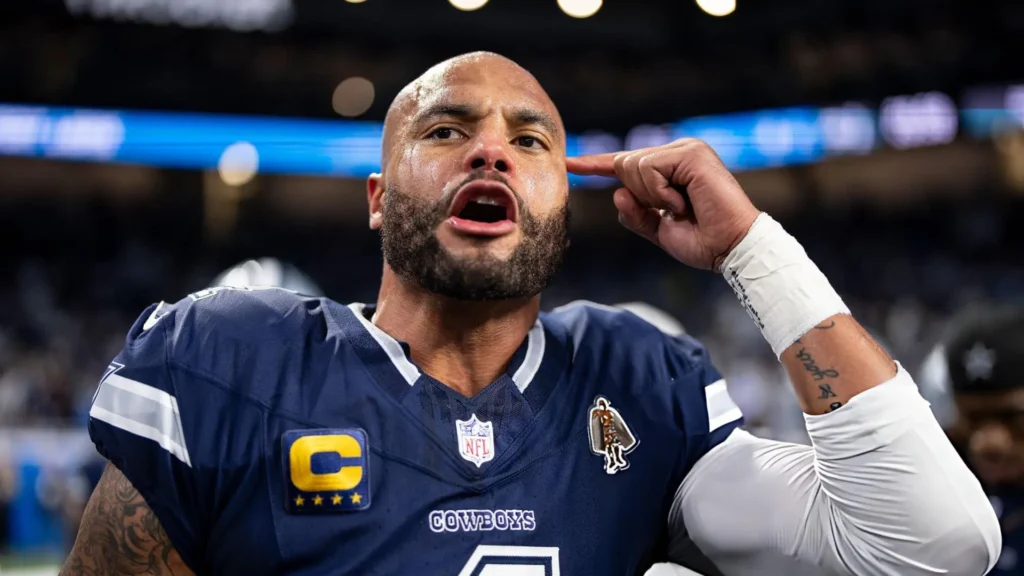
The difference between the advanced metrics and the win-loss record also highlights how comeback victories depend on far more than quarterback play. Defensive stops, special teams execution, penalties, clock management, and late-game coaching decisions all influence the final outcome.
Prescott’s career résumé supports that perspective. Through the end of the 2025 season, he had recorded 19 fourth-quarter comebacks and 26 game-winning drives, including memorable rallies against teams such as the Falcons, Patriots, Eagles, Seahawks, and Steelers.
The contrast between last season’s 1-8 record and his strong efficiency metrics will likely remain a talking point throughout training camp. If Dallas can pair Prescott’s productive play while trailing with improved late-game execution as a team, the Cowboys may be better positioned to turn close losses into crucial victories in 2026.